
Are you worried about keeping your home safe but don’t know where to start? You’re not alone.
Securing your home might seem overwhelming, but it doesn’t have to be. With the right steps, you can protect your family and belongings without feeling lost or stressed. This simple home security checklist for beginners will guide you through easy, effective actions you can take right now.
Keep reading to discover how small changes can make a big difference in your peace of mind and safety. Your home deserves the best protection—and it starts here.
Credit: thrive-alliance.org
Assessing Your Home's Vulnerabilities
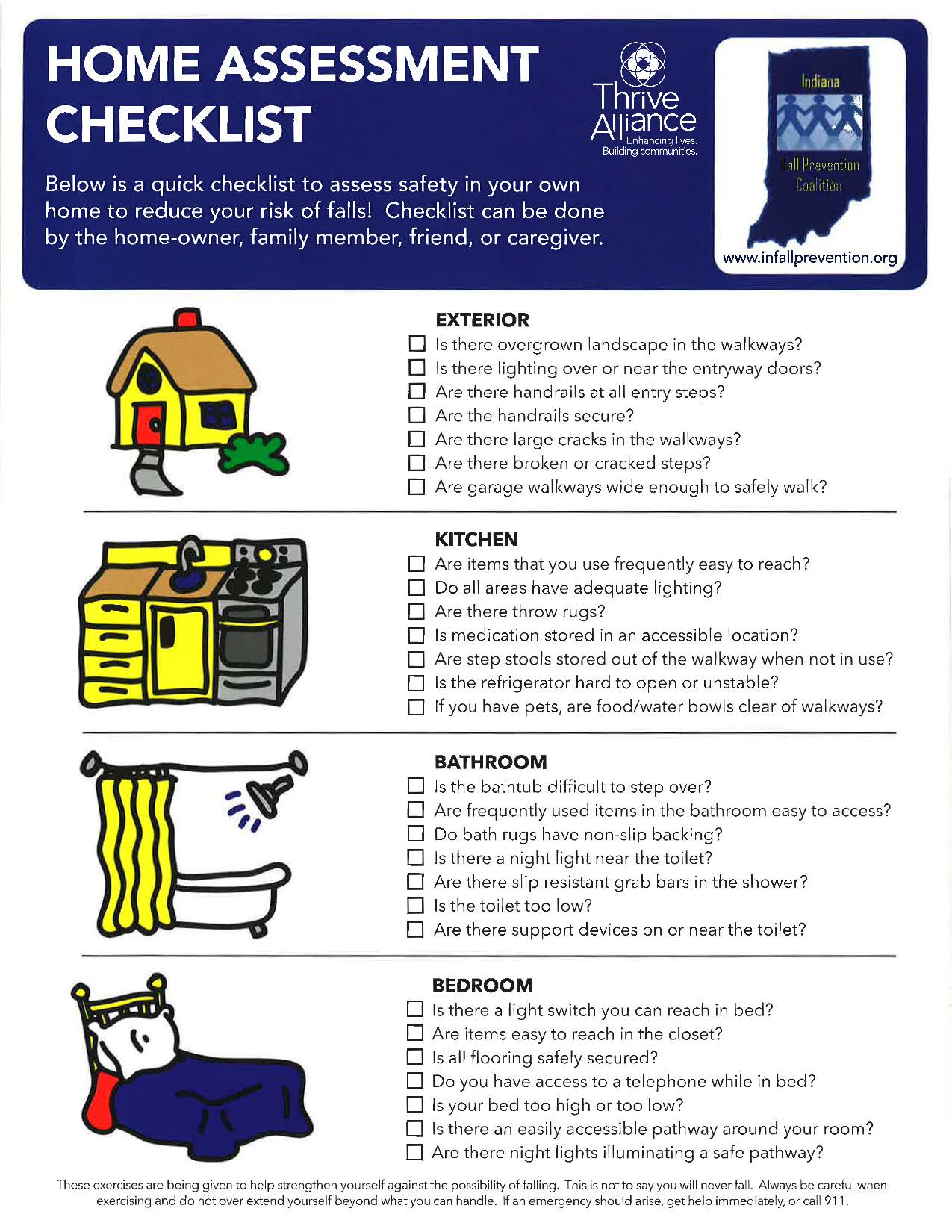
Assessing your home's vulnerabilities is the first step in improving security. This process helps find weak spots that burglars might use. It also shows what needs fixing or upgrading. Knowing these areas can prevent future break-ins. Start by carefully examining your house from the outside and inside.
Identifying Entry Points
Entry points are the most common places burglars use. Check all doors, windows, and garage doors. Look for any damage or signs of wear. Pay attention to locks and hinges. Weak or broken locks make it easy to enter. Don’t forget less obvious points like pet doors or basement windows.
Evaluating Lighting And Visibility
Good lighting deters criminals by reducing hiding spots. Walk around your home at night and note dark areas. Focus on entrances, pathways, and yards. Use bright outdoor lights or motion sensors. Clear bushes or trees that block light or views. Proper lighting makes your home less inviting to intruders.
Checking Windows And Doors
Windows and doors should be strong and secure. Look for cracks in glass or frames. Ensure all locks work properly and fit tightly. Consider adding security bars or alarms for extra protection. Sliding doors need special attention to prevent lifting. Regularly check these points to keep your home safe.
Basic Security Measures
Basic security measures form the foundation of home protection. Simple steps can keep your home safer. These measures do not require high costs or complex tools. They help prevent break-ins and alert you to danger early. Start with easy actions that anyone can do. These steps build a secure environment for your family and belongings.
Installing Deadbolt Locks
Deadbolt locks provide strong door security. They are harder to break than regular locks. Install deadbolts on all exterior doors. Use a solid metal strike plate with long screws. This makes it difficult to force the door open. Choose locks with a key on both sides for extra safety. Always lock deadbolts when you leave or sleep.
Using Security Cameras
Security cameras watch your home day and night. They record any unusual activity. Place cameras at main entry points like doors and windows. Choose cameras with motion detection and clear video quality. Many cameras send alerts to your phone instantly. Visible cameras can also scare away intruders. Check camera footage regularly to spot problems early.
Setting Up Alarm Systems
Alarm systems alert you and neighbors about break-ins. They create loud sounds that scare off intruders. Basic alarm systems include door and window sensors. Some systems connect to your phone or a monitoring service. Test your alarm regularly to ensure it works well. Alarm signs and stickers can also warn burglars to stay away.
Smart Home Security Devices
Smart home security devices improve home safety with technology. They offer control and peace of mind. Many devices work together to protect your home. These devices are easy to use and install. They help you monitor your home from anywhere. Below are key smart devices to consider.
Choosing Smart Locks
Smart locks let you lock and unlock doors remotely. No need for physical keys. You can give temporary access to guests. They send alerts when someone enters your home. Choose locks compatible with your smartphone. Look for models with strong encryption for safety.
Integrating Motion Sensors
Motion sensors detect movement in and around your home. They can turn on lights to scare off intruders. Sensors send alerts if unexpected motion happens. Place them near doors, windows, and driveways. Choose sensors with adjustable sensitivity to avoid false alarms.
Utilizing Video Doorbells
Video doorbells show who is at your door. They record video and let you talk to visitors. Use them to check deliveries or strangers. Look for models with clear video and night vision. Connect them to your phone for instant alerts and live view.
Neighborhood Safety Tips
Keeping your neighborhood safe is a key part of home security. A strong community helps prevent crime and creates a safer place for everyone. Simple steps can make a big difference in protecting your home and neighbors.
Building Community Watch
Organize a neighborhood watch group. Meet with neighbors regularly. Share information about safety and security. Look out for each other’s homes. A watch group makes it harder for criminals to act.
Post signs to show your area is watched. This warns potential intruders. Stay active and involved to keep the watch effective.
Communicating With Neighbors
Talk with neighbors often. Share any concerns or unusual events. Use group chats or message apps for quick updates. Good communication builds trust and awareness.
Strong communication helps spot problems early. Neighbors who know each other can help in emergencies. It creates a friendly and alert community.
Reporting Suspicious Activity
Report anything unusual to local authorities. Do not confront strangers alone. Write down descriptions and details carefully. Your report may prevent a crime.
Stay calm and clear when reporting. Early reports help police act faster. Encourage neighbors to report too. Safety improves when everyone stays alert.
Emergency Preparedness
Emergency preparedness is key to keeping your home safe during unexpected events. Planning ahead can reduce stress and confusion. It helps you act quickly and protect your loved ones.
Being ready means knowing what to do and having the right tools. This section guides you through simple steps to prepare your home and family for emergencies.
Creating An Emergency Plan
Start by making a clear plan for different emergencies. Decide where to meet outside your home. Assign roles for each family member. Include steps for evacuation and sheltering in place. Write the plan down and share it with everyone.
Storing Important Contacts
Keep a list of emergency contacts in a visible spot. Include phone numbers for police, fire, medical services, and neighbors. Add contacts for your workplace and school. Store a digital copy on your phone and a paper copy in your emergency kit.
Practicing Drills
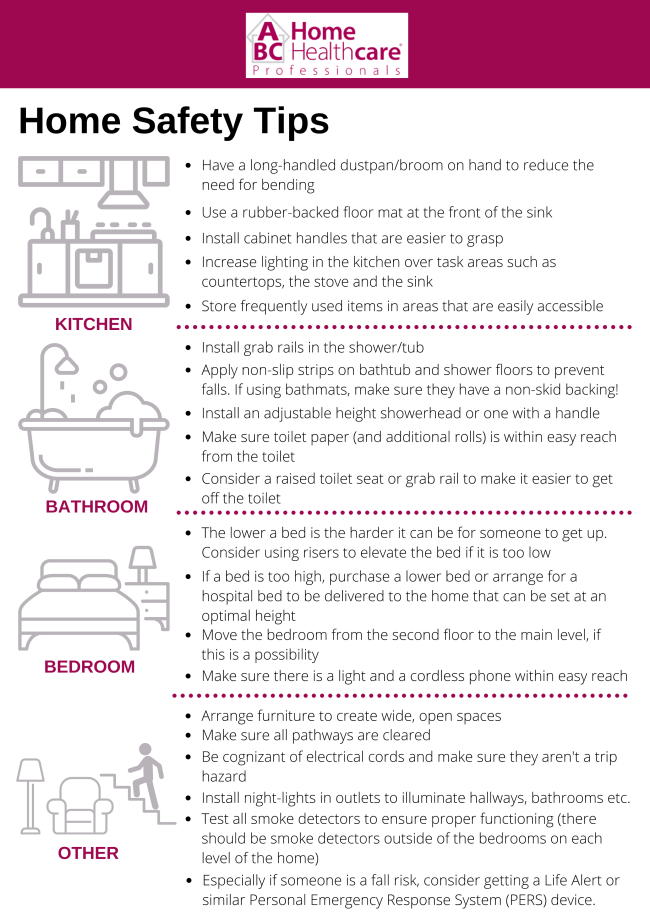
Practice your emergency plan regularly. Run through fire drills and evacuation routes. Teach children how to stay calm and follow instructions. Review the plan every few months and update it if needed. Practice builds confidence and helps everyone remember what to do.
Credit: www.abchhp.com
Maintaining Home Security
Maintaining home security is an ongoing task. It protects your family and belongings every day. You need to check and update your security measures regularly. This keeps your home safe from new threats. Small habits make a big difference in security. Stay alert and proactive to secure your home well.
Regularly Testing Devices
Test your alarms and cameras often. Make sure they work properly at all times. Replace batteries and fix broken parts quickly. Regular tests help find problems early. Your devices should always be ready to protect your home.
Updating Security Systems
Keep your security software and devices up to date. Updates fix bugs and improve protection. Old systems may have weak points. Updating stops hackers and new threats from entering. Check for updates regularly and install them fast.
Reviewing Access Permissions
Check who can enter your home or security system. Remove access for people who no longer need it. Change codes and passwords often. Limit access to trusted family and friends only. This reduces the risk of unauthorized entry.
Credit: lloydsecurity.com
Frequently Asked Questions
What Are The Essential Home Security Basics For Beginners?
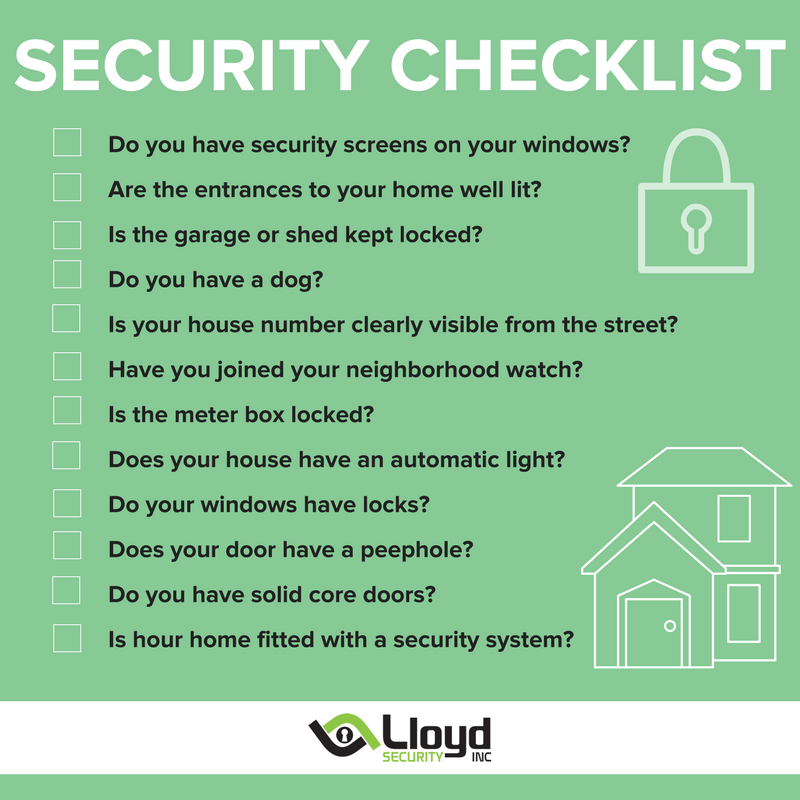
Start with strong locks on doors and windows. Install motion-sensor lights outside. Use a security system or cameras. Keep valuables out of sight and trim bushes near entrances. These simple steps significantly improve home safety for beginners.
How Can I Secure Windows Effectively At Home?
Use window locks or security bars to prevent break-ins. Reinforce glass with shatterproof film. Keep windows closed and locked when away. Installing sensors that alert you of window openings adds extra protection.
What Is The Best Way To Protect Home Entrances?
Install solid doors with deadbolt locks. Use peepholes or smart doorbells to see visitors. Keep entryways well-lit with motion-activated lights. Avoid hiding spare keys outside to reduce burglary risk.
Are Home Security Cameras Necessary For Beginners?
Cameras deter criminals and provide evidence if needed. Choose easy-to-install models with remote viewing features. Position cameras to cover main entrances and blind spots. They offer peace of mind and enhance overall security.
Conclusion
Keeping your home safe starts with simple steps anyone can follow. Check all doors and windows regularly. Use strong locks and good lighting outside. Remember to set alarms and cameras if possible. Teach your family about safety habits too. Small actions add up to big protection.
Stay alert and review your security often. Peace of mind grows with these easy habits. Your home deserves this care and attention every day.



0 Comments